
The long march toward diversification
Recent signs of progress should not hide the challenges of diversifying away from O&G for GCC countries.

Non-oil growth has accelerated in most GCC countries demonstrating progress in diversification.
Diversification away from oil and gas is the main long-term challenge for the GCC economies as their rentier state model is under threat from changing global energy demand and oversized welfare system.
Success will depend on their ability to address the limited size of their private sectors, of their domestic markets, the lack of competitive local talents, their complex legal environment and the inherent political challenge that comes with less redistribution and higher taxes. Most of all, capacity to implement their visions will decide their fate.
What is happening? The non oil economy has benefitted from a positive momentum recently
Since the pandemic, non-oil growth has accelerated in most GCC countries demonstrating progress in diversification.
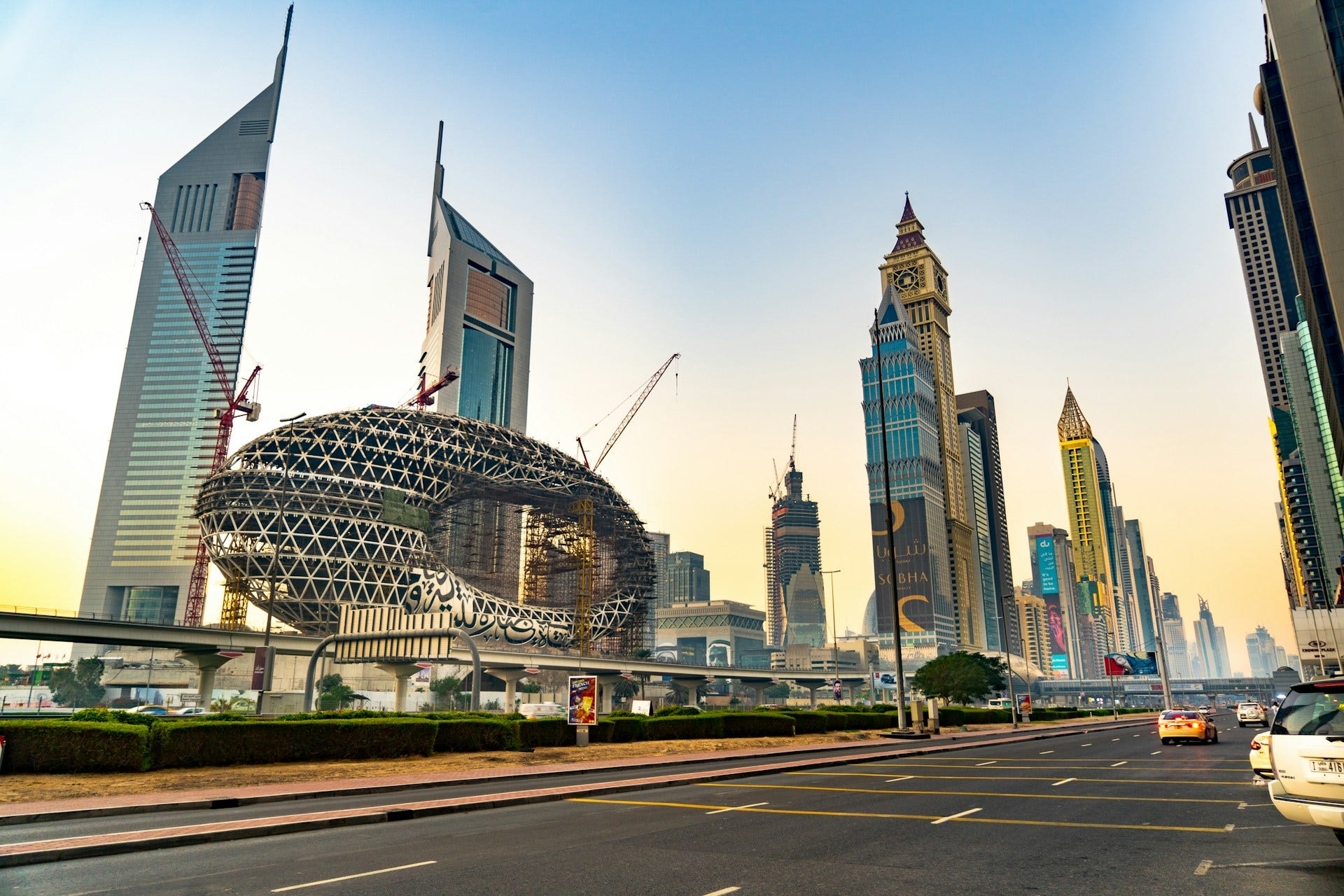
The UAE has enjoyed record non-oil growth for the past three years (above 6% since 2021). The non-oil sector is especially growing in Abu Dhabi and is already larger than the overall Dubai economy. Dubai's economy is also experiencing a strong recovery, reversing the pre-pandemic downward trend
Solid figures for non-oil growth have been recorded in Saudi and Bahrain too, compensating for weak growth in the oil sectors due to OPEC+ production cuts.
In Qatar, the World Cup provided a boost in 2022 (+5.7%) but growth has slowed down afterward.
After a record year in 2021, non-oil growth has been muted in Kuwait due to a slowdown in consumption, credit, real estate, and lack of projects.
The most recent PMI figures also highlight the non-oil sector momentum across the region: 56.4 in Saudi Arabia, 55.3 in the UAE, 53.6 in Qatar, and 52.4 in Kuwait.
This growth has been accompanied by a new wave of diversification plans (We the UAE 2031, Saudi SEZ plan, Bahrain post-pandemic $30Bn recovery plan…). Last week, Oman adopted a new National industrial strategy aiming at tripling manufacturing by 2040 (currently 9% of GDP). Saudi also introduced a semiconductor strategy this week aiming at attracting 50 fabless chip companies and producing one million wafers in the Kingdom by 2030.
Why is it important? Diversification is becoming more urgent, but faces several deep obstacles
Diversification away from oil and gas is the main long-term challenge for the GCC economies whose rentier state model is under threat for 2 reasons:
Global shift in energy demand, as western economies transition to cleaner energy, and increased price volatility. For some countries (Bahrain and Oman) this comes in addition to depleting reserves.
Growing weight of the “Welfare State” / redistributive expenses (salaries, subsidies, public services), in the context of sustained population growth.
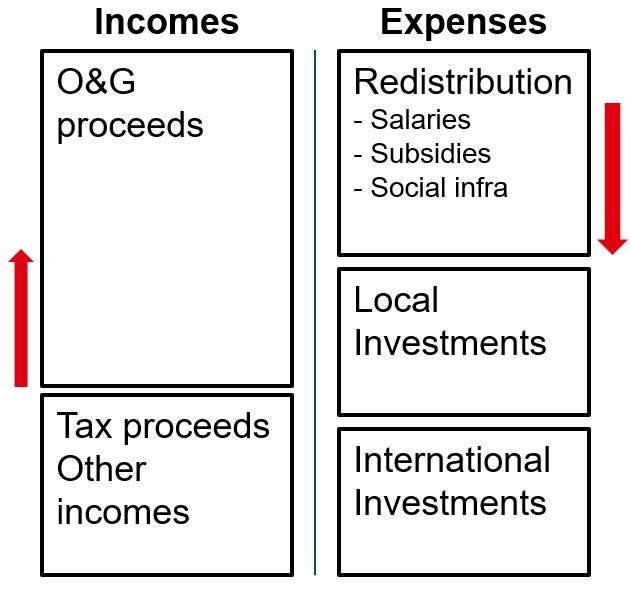
For at least the past 15 years, GCC countries have launched and implemented diversification strategies, the Visions, using their abundance of capital to buy their way down the diversification path.
Most of the Visions aim at developing new sectors, especially in tourism, finance, and tech, and rely on important infrastructure investments (based on the motto “build and they will come”).
The hope is that in the long run, this will provide competitive employment for locals (thus decreasing redistribution needs) and a strong taxable corporate base (thus diversifying/increasing government revenues)
Degrees of dependency on oil remain high in most countries, though, and below comparable developed economies like Norway and Australia (see graph)
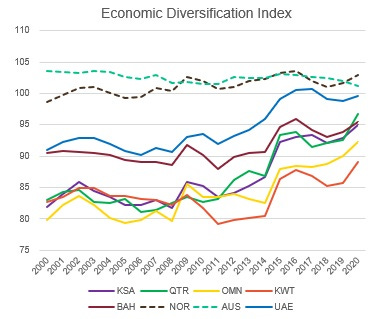
.Source: Prasad A., Refass S., Saidi N., Salem F., Shepherd B., Global Economic Diversification Index 2023. Dubai: Mohammed bin Rashid School of Government; Graph by Regulf.
There are numerous challenges to these diversification strategies:
